


Trends
5 Home Trends Designers Are Leaving In 2025—And Their Predictions For 2026

Expect to see more colour and personalized style in 2026. Photography by Martha Uniacke Breen | Design by Cian Design
Trends
5 Home Trends Designers Are Leaving In 2025—And Their Predictions For 2026
It’s time to bid adieu to a handful of outdated styles.

- Iman Lalji, owner of Designed by Iman in Toronto
- Jean Stéphane Beauchamp, head designer of Jean Stéphane Beauchamp Design in Montreal
- Lindsay Quinn Levin, owner and principal designer of Sincerely Lindsay Design Co. in Vancouver
- Meiyi Sun, founder and principal designer of MU Studio in Toronto

2025 brought about many trends in the world of design—a resurgence of wallpaper, celebration of natural materials, all-curved-everything, and beyond. But of all the trends designers have been working with over the past few years, there are some they’re happy to let rest.
“Design is moving toward spaces that feel layered and intentional—not flat, not overly minimalist, and not trend-driven,” says Iman Lalji, a Toronto-based interior designer. “It’s about creating homes that feel warm, personal, and considered.”
See the five trends designers are turning away from in 2025—and what they’re opting for instead.
Outdated Trends Designers Are Leaving In 2025
1. All-white interiors
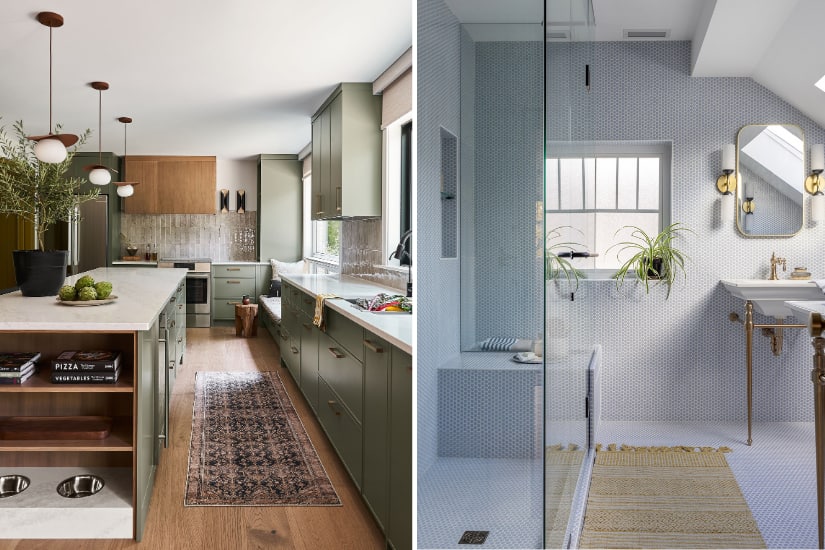
All-white kitchens and bathrooms, once a hallmark of Internet-ready design, are being swapped out for character-drenched styles. Photography by Jules Lee | Design by Andrea Hylton Home (left)/Photography by Janis Nicolay | Design by Space Harmony Interiors
If there’s one thing the experts agree on, it’s that all-white everything is out.
“As we enter 2026, my clients are craving spaces with personality, depth, and warmth—qualities white-on-white rooms often struggle to deliver,” says Jean Stéphane Beauchamp, a designer in Montreal.
This Pinterest-loving trend was everywhere, especially in the kitchen, for years thanks to its ‘blank canvas’ aesthetic and minimalism. “I loved the calmness of those spaces for a while, but they started feeling a bit one dimensional,” explains Lalji. “Homes need soul and contrast again; something with longevity, not just what photographs well.”
Designers are doing a full 180, inviting in saturated colours, layered textures, striking shade combinations, and plenty of patterns. Expect to see more earthy tones as well as moody greens and blues, burgundies, and warm ochres.
2. Terrazzo
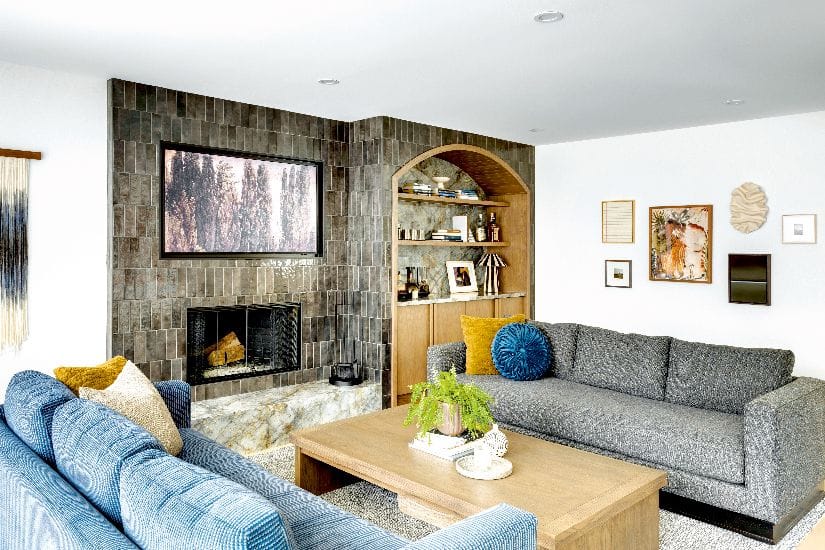
Zellige tiles bring a rustic flair to traditional tiling. Photography by KM Photography | Design by Studio Felix
Goodbye terrazzo, hello rustic tiling. Lindsay Quinn Levin sees a wave of “perfectly imperfect” styles, such as zellige and limestone, next year.
“I’m also predicting that shimmery, imperfect zellige tiles in a rainbow of colours will play a big role in our design choices for the foreseeable future," says the Vancouver-based designer.
3. Bouclé everything
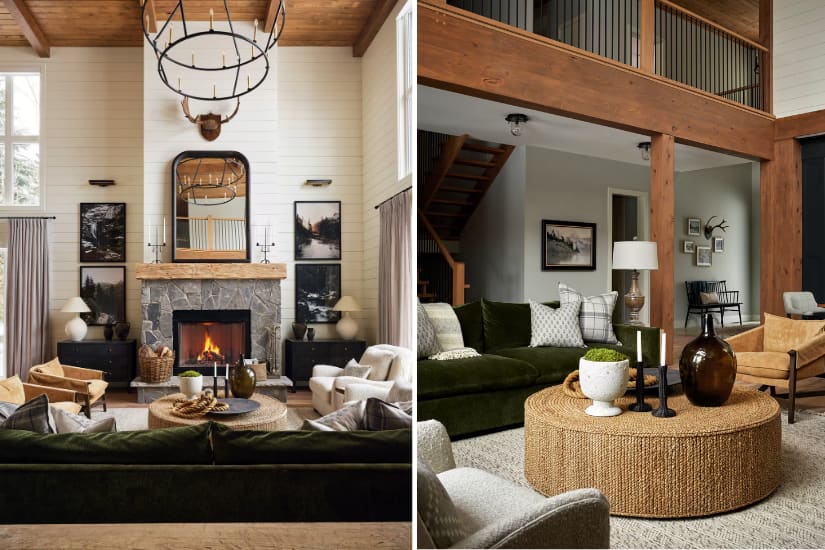
Designers are opting for more organic textures like rattan, velvet, and leather. Photography by Patrick Biller | Design by TOM Interior Design Studio
Bouclé chairs and sofas, carpets, pillows, and more—the fuzzy material was a big name over the past couple years. The material is undoubtedly cozy, but designers are turning to more organic materials to highlight warmth and texture. Opt for a natural wool or linen to add dimension to a space.
4. Polished perfection
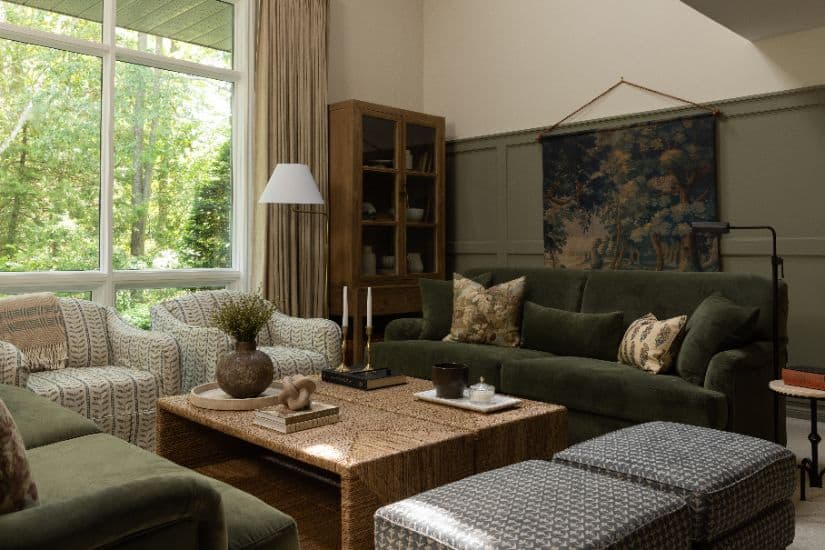
A mix of hues, patterns, and organic materials adds dimension to this living room. Photography by Britney Townsend | Coralee Monaghan Interiors
Designers are straying away from the perfectly polished and refined styles of the past. Instead, they’re drawing inspiration from natural materials and textures, preferably with eco-friendly roots.
“I’m designing spaces that feel comfortable first, but still have that refined, pulled-together look,” says Lalji. “It’s less about creating ‘show homes’ and more about ‘beautiful, lived-in homes you actually want to spend time in.’”
In that vein, long-beloved, global styles are making a comeback. “A good example of this is the resurgence of decorative arts finishes that have come full circle, such as the use of limewash and Roman clay plasters that I’m using in so many of my projects,” adds Levin.
5. Minimalism
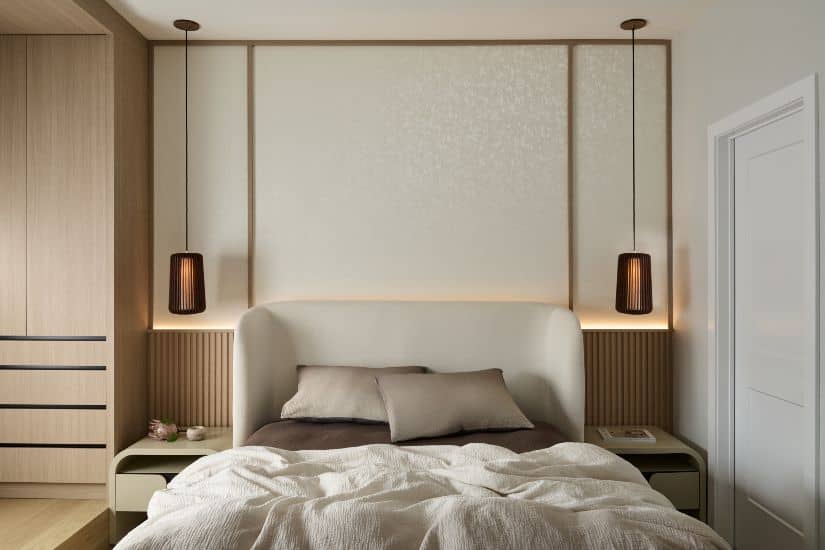
Japandi style adds warmth and comfort to more streamlined designs. Photography by Stephani Buchman | Design by MU Studio
Sorry, Marie Kondo! Traditional minimalism is on the outs.
“Pure minimalism, with its emphasis on extreme simplicity and visual emptiness, often can’t meet homeowners' needs for personality,” says Meiyi Sun, a designer in Toronto. “It can feel cold, flat, and a little too quiet.”
The answer, however, isn’t necessarily bold maximalism. Japandi style, with its soft aesthetics and emphasis on thoughtful, material-forward design, embraces a “quiet warmth” that fosters connection within the home.
“We’re embracing rooms that feel lived-in, storied, and emotionally resonant,” agrees Beauchamp. “The new luxury is uniqueness and colour.”


Eye-Catching Colour Combinations For Your Home





Comments